
The butterflies in your stomach, the racing heart, the constant thoughts of that special someone – but wait, is this love or something else entirely? Many people confuse the intoxicating feelings of infatuation and attachment with true love, only to find themselves trapped in a cycle of relationship anxiety and emotional turmoil. Understanding the difference between genuine love and unhealthy attachment isn’t just important – it’s essential for your emotional wellbeing.

When we mistake anxiety for love, we set ourselves up for disappointment, codependency, and relationships that drain rather than fulfill us. The warning signs are often there from the beginning, but our emotions can cloud our judgment so completely that we miss them entirely. This isn’t a character flaw – it’s human nature. But awareness is the first step toward building healthier, more fulfilling relationships.
In this comprehensive guide, we’ll explore how to recognize the crucial differences between love and anxiety-driven attachment, understand why our brains can deceive us in matters of the heart, and learn practical strategies for cultivating relationships that truly nourish your soul rather than deplete it.
The Blindness of Love: When Feelings Cloud Judgment
We’ve all heard the phrase “love is blind,” and there’s profound truth in these words. When we’re caught up in the intense emotions of a new relationship, our brains literally change in measurable ways. Neuroscience shows that falling in love activates the same reward centers as addictive substances, flooding us with dopamine and making it difficult to see our partner – or the relationship – clearly.
This biochemical cocktail can mask red flags, excuse harmful behaviors, and convince us that obsessive thinking is romantic devotion. The neural pathways associated with judgment and critical thinking actually become less active when we’re infatuated, which explains why we might overlook incompatibilities or concerning behaviors that would be obvious to an outside observer.
Key Insight: If you find yourself constantly anxious, walking on eggshells, or losing your sense of self in a relationship, you may be experiencing attachment or infatuation rather than love.
But true love doesn’t require you to ignore your intuition or compromise your core values. It enhances your life rather than consuming it. Genuine love brings peace alongside passion, security alongside excitement. When you’re truly loved, you feel more like yourself, not less. You’re encouraged to grow, not diminished or controlled.
The Chemistry of Confusion
Understanding what happens in your brain during the early stages of romance can help you recognize when you’re being led astray by chemistry rather than genuine compatibility. The initial rush of attraction releases a powerful combination of neurotransmitters including dopamine, norepinephrine, and phenylethylamine – the same chemicals released during a “fight or flight” response.
This is why new love can feel so similar to anxiety: rapid heartbeat, difficulty sleeping, obsessive thoughts, and heightened emotions. Your body literally cannot distinguish between the excitement of attraction and the stress of danger. This biological reality makes it crucial to give relationships time before making major commitments or decisions.
Love vs. Attachment: Recognizing the Difference
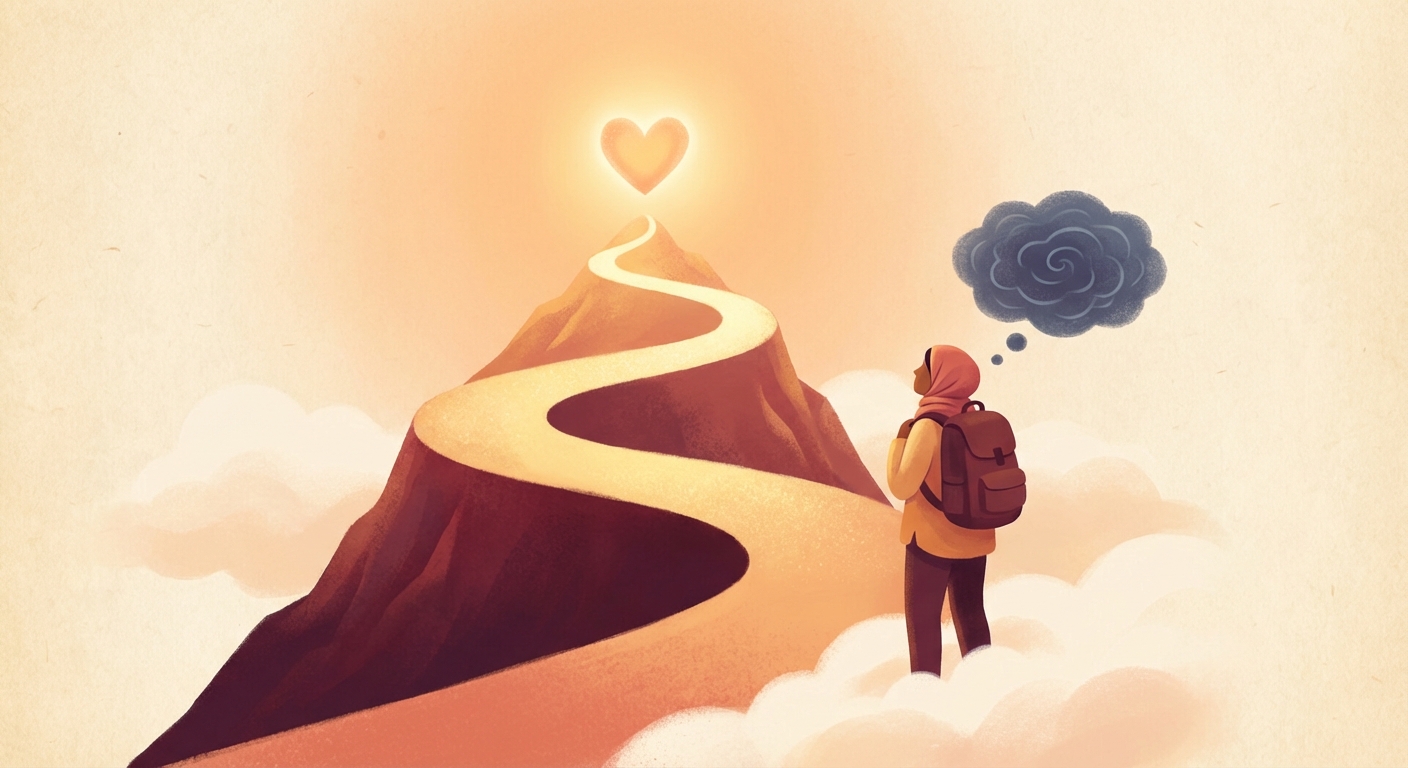
Attachment often masquerades as love, but the two are fundamentally different. Attachment is rooted in fear – fear of being alone, fear of abandonment, fear of unworthiness. Love, on the other hand, is rooted in freedom, trust, and mutual growth. Learning to distinguish between these two emotional states is critical for your relationship success and personal happiness.
The Hallmarks of Unhealthy Attachment
1. Attachment Feels Desperate
When you’re attached rather than in love, there’s a persistent undercurrent of desperation. You might feel like you “need” this person to be complete, or that you can’t imagine life without them – not in a romantic way, but in a genuinely frightening way. This desperation often manifests as clinginess, constant need for reassurance, or overwhelming jealousy.
2. Your Identity Becomes Blurred
Healthy love allows both partners to maintain their individual identities while creating something new together. Attachment, however, causes you to lose yourself in the relationship. You abandon hobbies you once loved, neglect friendships, and find yourself adopting all of your partner’s interests and opinions without maintaining your own perspective.
3. Constant Anxiety Becomes Your Baseline
While all relationships have moments of uncertainty, attachment-based relationships are characterized by persistent anxiety. You’re constantly worried about whether they still like you, analyzing every text message, and feeling on edge about the relationship’s status. This chronic stress is exhausting and unsustainable.
4. The Relationship Feels Like Work From the Start
Early-stage relationships should have moments of ease and natural flow alongside the excitement. If you’re constantly trying to “fix” things, convince your partner to commit, or prove your worth from the very beginning, you’re likely dealing with attachment rather than a healthy foundation for love.
What True Love Actually Looks Like
In contrast to anxiety-driven attachment, genuine love has distinct characteristics that create sustainable, fulfilling relationships:
Security and Trust
Real love provides a sense of security. You trust your partner not because you’re naive, but because they’ve consistently shown themselves to be trustworthy. You don’t need to check their phone or know their whereabouts every moment. There’s confidence in the relationship’s foundation.
Growth and Encouragement
Love encourages both partners to become better versions of themselves. Your partner supports your dreams, celebrates your successes, and gently challenges you to grow. They don’t feel threatened by your achievements or try to keep you small to manage their own insecurities.
Healthy Independence
While you enjoy spending time together, you also maintain separate interests, friendships, and pursuits. You’re happy to be apart sometimes because you know the relationship is secure. This independence actually strengthens the relationship rather than threatening it.
“Love is not about possession. Love is about appreciation. When you love someone, you give them the freedom to be who they are, not who you need them to be.”
Breaking Free: Moving from Anxiety to Authentic Love
If you recognize yourself in the patterns of anxious attachment, don’t despair. Awareness is the first and most crucial step toward change. Here are practical strategies for breaking free from anxiety-driven relationships and cultivating genuine love:
Develop Your Relationship with Yourself First
The quality of your romantic relationships directly reflects your relationship with yourself. Before you can experience healthy love with another person, you must learn to love yourself – not in a narcissistic way, but with genuine compassion and acceptance. This means getting comfortable with solitude, pursuing your own interests, and building a life that feels fulfilling independent of romantic validation.
Learn to Sit with Uncertainty
Anxiety-driven attachment often stems from an inability to tolerate uncertainty. We want guarantees, constant reassurance, and complete control over outcomes. But healthy relationships require accepting that we can’t control another person’s feelings or predict the future. Practice sitting with the discomfort of “not knowing” without immediately reaching for your phone to text them or creating drama to get attention.
Practice This: When you feel the urge to seek reassurance from your partner, pause for 24 hours. Often, the anxiety will pass on its own, helping you realize that you’re stronger than your fears.
Establish Clear Boundaries
Healthy love requires healthy boundaries. Know your deal-breakers, communicate your needs clearly, and be willing to walk away from situations that don’t align with your values. Boundaries aren’t about controlling others – they’re about respecting yourself enough to maintain your standards.
Seek Professional Support
If you find yourself repeatedly falling into patterns of anxious attachment or toxic relationships, consider working with a therapist who specializes in attachment styles. These patterns often have roots in childhood experiences, and professional guidance can help you understand and heal these deep-seated wounds.
Take the First Step Toward Healthier Love Today
You deserve relationships that bring peace, joy, and genuine connection – not constant anxiety and confusion. Start by committing to one small action: journal about your current relationship patterns, schedule time for self-reflection, or reach out to a trusted friend for perspective. Remember, recognizing the difference between love and anxiety is the foundation for building the fulfilling relationships you truly deserve. Your journey toward authentic love begins with understanding yourself first.