
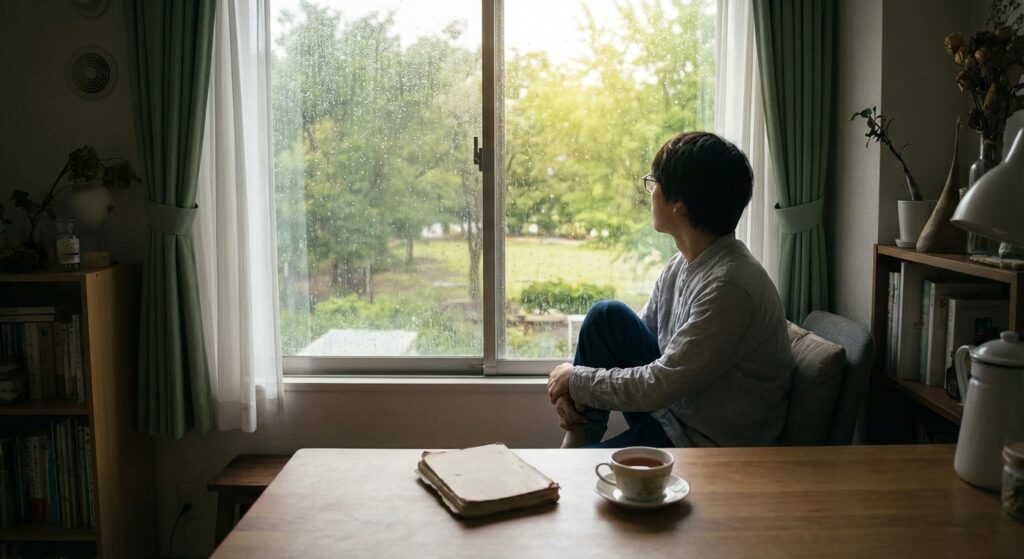
In our modern world of climate-controlled comfort and digital convenience, we’ve created the perfect indoor sanctuary. But at what cost? While our homes offer everything we could want, they might also be quietly stealing something precious: our connection to the natural world and, with it, our vitality.
The Seductive Comfort of Our Indoor Cocoons
Take a moment to look around you. Our homes have evolved into complete ecosystems of convenience. Air conditioning keeps us cool in summer and heating warms us in winter. Entertainment streams endlessly through our devices. Social connections happen through screens. Work, play, exercise, and relaxation—all available within the same four walls. It’s no wonder we’ve become indoor creatures.
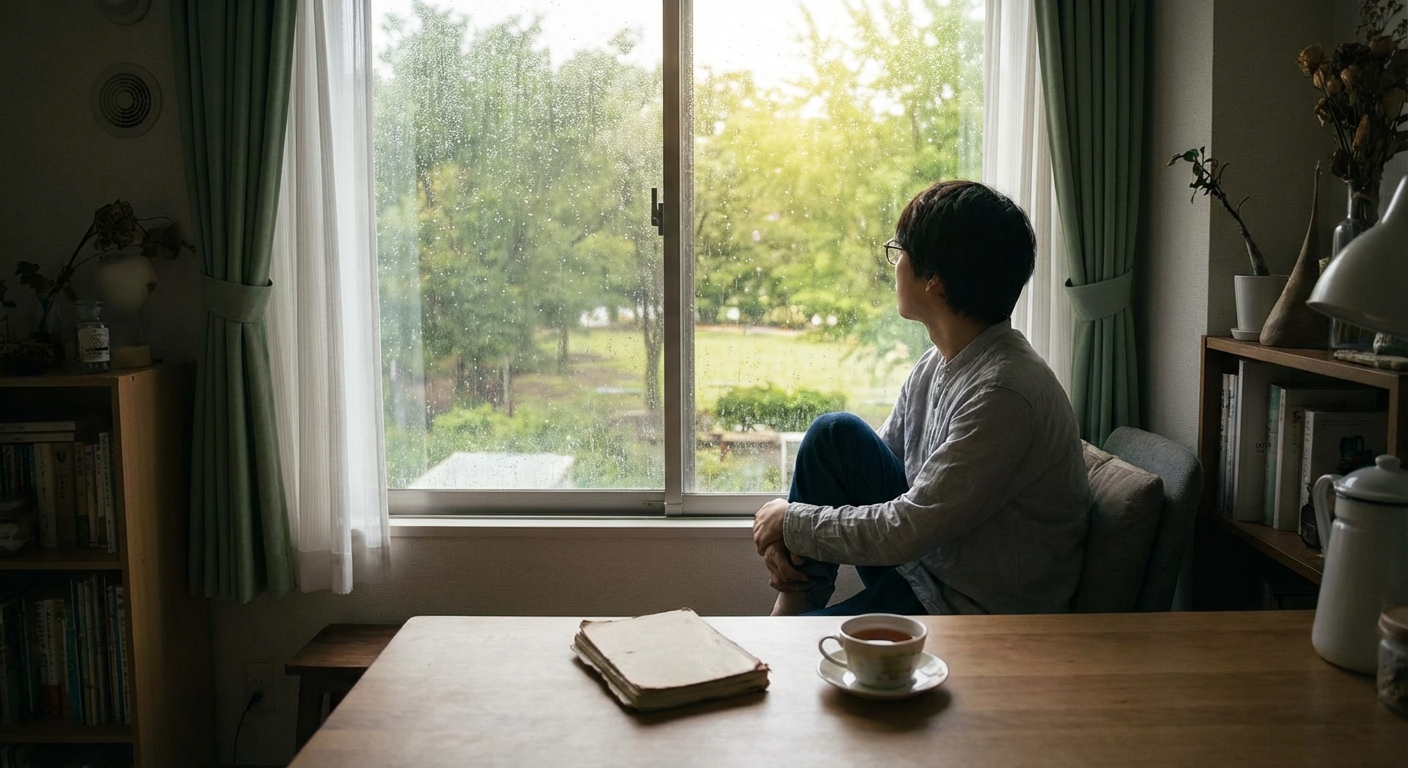
The modern home offers predictability, safety, and comfort. We know exactly what to expect when we close the door behind us. The temperature is always perfect. The lighting is always just right. Everything we need is within arm’s reach.
But here’s the uncomfortable truth: while we’ve been busy creating these perfect indoor environments, we’ve been quietly disconnecting from something fundamental to our well-being. Our ancestors spent their entire lives outdoors, their bodies and minds shaped by constant interaction with natural elements. Today, the average person spends approximately 90% of their time indoors, creating a disconnect that our biology struggles to comprehend.
The Hidden Costs of Indoor Living
Our dependence on gadgets, screens, and virtual experiences has led us to live what can only be described as physically cocooned and mentally disconnected lives. We’re more connected digitally than ever before, yet increasingly isolated from the natural world that shaped our evolution.
What Science Tells Us About Nature Deprivation
Research has consistently shown that exposure to nature isn’t just pleasant—it’s essential for our mental and physical health. Studies reveal that spending time outdoors:
- Significantly reduces stress, anxiety, and symptoms of depression
- Enhances creativity and cognitive function
- Improves focus and attention span
- Boosts overall happiness and life satisfaction
- Strengthens immune system function
- Promotes better sleep quality and circadian rhythm regulation
Scientific Insight: Researchers have identified what they call “nature deficit disorder”—a term that describes the human costs of alienation from nature, including diminished use of the senses, attention difficulties, and higher rates of physical and emotional illnesses.
The Physical Toll of Indoor Living
When we confine ourselves indoors, we’re not just missing out on fresh air and sunshine. We’re subjecting our bodies to a range of environmental factors that can gradually erode our health.
Vitamin D Deficiency
Our primary source of vitamin D is sunlight, and indoor living means we’re often deficient in this crucial nutrient. This deficiency is linked to weakened bones, compromised immune function, increased risk of depression, and various chronic diseases.
Poor Air Quality
Indoor air can be two to five times more polluted than outdoor air. Dust, mold, chemical cleaners, and poor ventilation create an invisible cocktail of contaminants that we breathe in daily, potentially triggering allergies, asthma, and other respiratory issues.
Sedentary Lifestyle
Indoor environments encourage sitting—at desks, on couches, in front of screens. This sedentary behavior is linked to obesity, cardiovascular disease, diabetes, and even shortened lifespan. Our bodies were designed for movement, not prolonged sitting.
Disrupted Circadian Rhythms
Artificial lighting and screen time confuse our internal clocks, making it harder to fall asleep and affecting the quality of our rest. Natural light exposure helps regulate our sleep-wake cycles, but indoor living disconnects us from these natural cues.
The Psychological Impact: More Than Just Missing Scenery
The mental health consequences of excessive indoor time extend far beyond simple cabin fever. Our brains evolved in complex, ever-changing natural environments, and indoor spaces simply can’t provide the same level of stimulation and restoration.
The Attention Restoration Theory
Environmental psychologists have developed the Attention Restoration Theory, which suggests that natural environments allow our directed attention mechanisms to rest and recover. Indoor environments, especially those filled with technology and artificial stimulation, constantly demand our attention, leading to mental fatigue.
“In every walk with nature, one receives far more than he seeks. The clearest way into the Universe is through a forest wilderness.” — John Muir
When we step outside, we engage in what researchers call “soft fascination”—our attention is gently captured by clouds, trees, birds, and flowing water. This allows our mental resources to replenish without effort, leaving us feeling refreshed and restored.
The Social Isolation Factor
Indoor living often means isolated living. While we might be connected online, we’re missing out on spontaneous, face-to-face interactions that happen naturally in outdoor spaces—the neighbor you meet on a walk, the community at the park, the shared experience of weather and seasons.
Breaking Free: Small Steps Toward Balance
Understanding the hidden costs of indoor living is the first step. The second step is taking action to reclaim our connection to the natural world. You don’t need to abandon modern comfort entirely—you just need to find balance.
Start Your Day Outside
Even five minutes of morning sunlight can help regulate your circadian rhythm and boost your mood. Drink your coffee on the porch, stretch in your backyard, or simply stand outside and breathe deeply.
Create Outdoor Rituals
Build nature time into your daily routine. Walk during lunch breaks, exercise outside when possible, or make evening strolls a non-negotiable part of your day. Consistency matters more than duration.
Bring Nature Indoors
While not a replacement for outdoor time, houseplants, natural light, and nature sounds can help bridge the gap. Open windows when weather permits, and maximize natural light in your living spaces.
Practice Mindful Outdoor Time
When you are outside, be fully present. Put away your phone, remove your earbuds, and actually experience your surroundings. Notice the temperature, the breeze, the sounds, and the smells.
Remember: The goal isn’t perfection—it’s progress. Every moment spent outdoors is an investment in your physical and mental well-being.
Reclaiming What We’ve Lost
Our indoor sanctuaries aren’t the enemy—they provide comfort, safety, and convenience that previous generations could only dream of. But we’ve swung too far in one direction, trading our evolutionary birthright for climate-controlled comfort.
The hidden costs of indoor living are real and accumulating: diminished physical health, compromised mental well-being, disrupted sleep, weakened immune systems, and a profound sense of disconnection from the world around us. These costs don’t announce themselves with alarm bells—they creep in gradually, quietly diminishing our vitality.
Your Next Step Starts Now
Don’t wait for the perfect moment or the ideal weather. Step outside today—even if just for a few minutes. Feel the sun on your face, the wind in your hair, the ground beneath your feet. Your body and mind are calling you back to the natural world. Will you answer?
The beautiful truth is that nature is patient. It’s been waiting for us all along, ready to welcome us back whenever we’re ready. The door is always open—we just need to walk through it.